
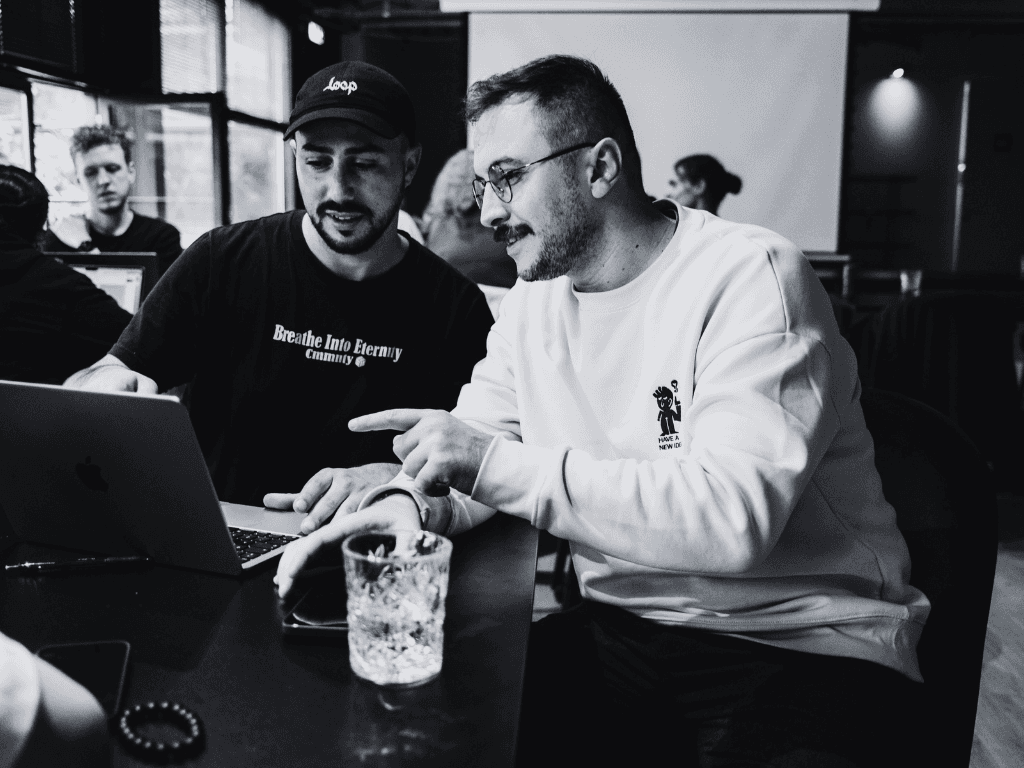
No One Builds Anything Meaningful Alone
One of the biggest misconceptions in leadership is that the higher you climb, the less support you should need.
That strength looks like certainty. That success means having the answers. That good leaders should be able to carry everything on their own.
I have found the opposite to be true.
Some of the best leaders I know are the ones most committed to being supported.
The Reality Behind the Scenes
Like most founders, there have been seasons of huge pressure behind the scenes. Scaling teams. Cashflow stress. Motherhood. Loss. Burnout. Identity shifts. The strange emotional weight that comes with becoming the person everyone else relies on.
And one of the biggest lessons I have learned through all of it is this:
No one builds anything meaningful alone.
Coaches, mentors, therapists, peers, friends, honest conversations, difficult feedback, perspective from people further ahead than you. These things are not signs of weakness in leadership. They are often the reason leaders sustain themselves long enough to build something exceptional.
Yet so many founders resist support because they believe they should have evolved beyond needing it.
Particularly high performers.
The Invisible Fear
There is often an invisible fear that asking for guidance somehow undermines credibility. As though leadership means becoming emotionally self-sufficient.
But leadership is not isolation.
In fact, isolation is often where poor decisions multiply.
When you are constantly inside your own head, pressure distorts perspective. Problems feel heavier. Risks feel sharper. Emotions become harder to separate from strategy.
Good mentors interrupt that spiral.
Not because they magically solve your problems, but because they help you see differently. They shorten learning curves. They challenge blind spots. They remind you who you are when stress starts pulling you away from yourself.
And importantly, they create spaces where leaders can stop performing certainty for a moment.
The Emotional Reality of Carrying Responsibility
I think this matters more than ever.
We are living in a culture that glorifies independence while quietly exhausting people. Particularly founders and senior leaders. Everyone is trying to optimise performance, resilience, productivity, and mindset.
But very few people talk honestly about the emotional reality of carrying responsibility.
- The pressure to hold teams together
- The loneliness of decision-making
- The guilt of ambition
- The fear of getting it wrong publicly
Leadership stretches you psychologically as much as professionally.
Which is why support is not a luxury. It is infrastructure.
This Applies to Brands Too
Interestingly, this applies to brands too.
The strongest brands are rarely built in isolation. The best marketing teams seek outside perspectives constantly. Creative challenge. Consumer insight. Emotional intelligence. Cultural awareness.
At Inkpact, we often talk about human connection as a business advantage. That applies internally as much as externally.
Because businesses grow faster when people feel supported enough to think clearly, communicate honestly, and lead sustainably.
The Most Powerful Thing a Leader Can Say
No founder becomes extraordinary entirely alone.
Behind every great leader is usually a collection of people who helped them stay brave during the moments they doubted themselves.
And perhaps one of the most powerful things a leader can say is not "I have got this."
But:
"I need support here."
Not because they are failing.
Because they are building something that matters.
Why do high-performing founders resist seeking support?
Many high performers carry an invisible fear that asking for guidance undermines their credibility. There is a cultural narrative that leadership means becoming emotionally self-sufficient — that strength looks like certainty and having the answers. But this often leads to isolation, where pressure distorts perspective and poor decisions multiply.
What role do mentors and coaches play for leaders?
Good mentors interrupt the spiral of being constantly inside your own head. They help you see differently, shorten learning curves, challenge blind spots, and remind you who you are when stress pulls you away from yourself. They also create spaces where leaders can stop performing certainty for a moment — which is often where the clearest thinking happens.
Is seeking support a sign of weakness in leadership?
No — it is often the opposite. Some of the best leaders are the ones most committed to being supported. Coaches, mentors, therapists, peers, honest conversations, and difficult feedback are not signs of weakness. They are often the reason leaders sustain themselves long enough to build something exceptional.
How does the idea of support apply to brands and businesses?
The strongest brands are rarely built in isolation. The best marketing teams seek outside perspectives constantly — creative challenge, consumer insight, emotional intelligence, cultural awareness. Businesses grow faster when people feel supported enough to think clearly, communicate honestly, and lead sustainably.
What is the most powerful thing a leader can say?
Not 'I have got this' — but 'I need support here.' Not because they are failing, but because they are building something that matters. Asking for support is an act of commitment to the work, not an admission of inadequacy.